
Lime Pointing & Traditional Masonry Repairs
Traditional repairs for older brick and stone buildings
Many older homes around Bridgwater and Somerset were originally built using lime mortar. Unlike modern cement, lime is relatively soft and breathable, allowing moisture to escape through the joints rather than through the masonry itself.
Unfortunately, many were repointed with hard cement mortars during the 20th century. On softer brick and stone, this can trap moisture and accelerate deterioration of the surrounding masonry.
Housewright & Co. specialises in carefully removing inappropriate cement pointing and reinstating traditional lime mortar, alongside sympathetic repairs to older brick and stonework.
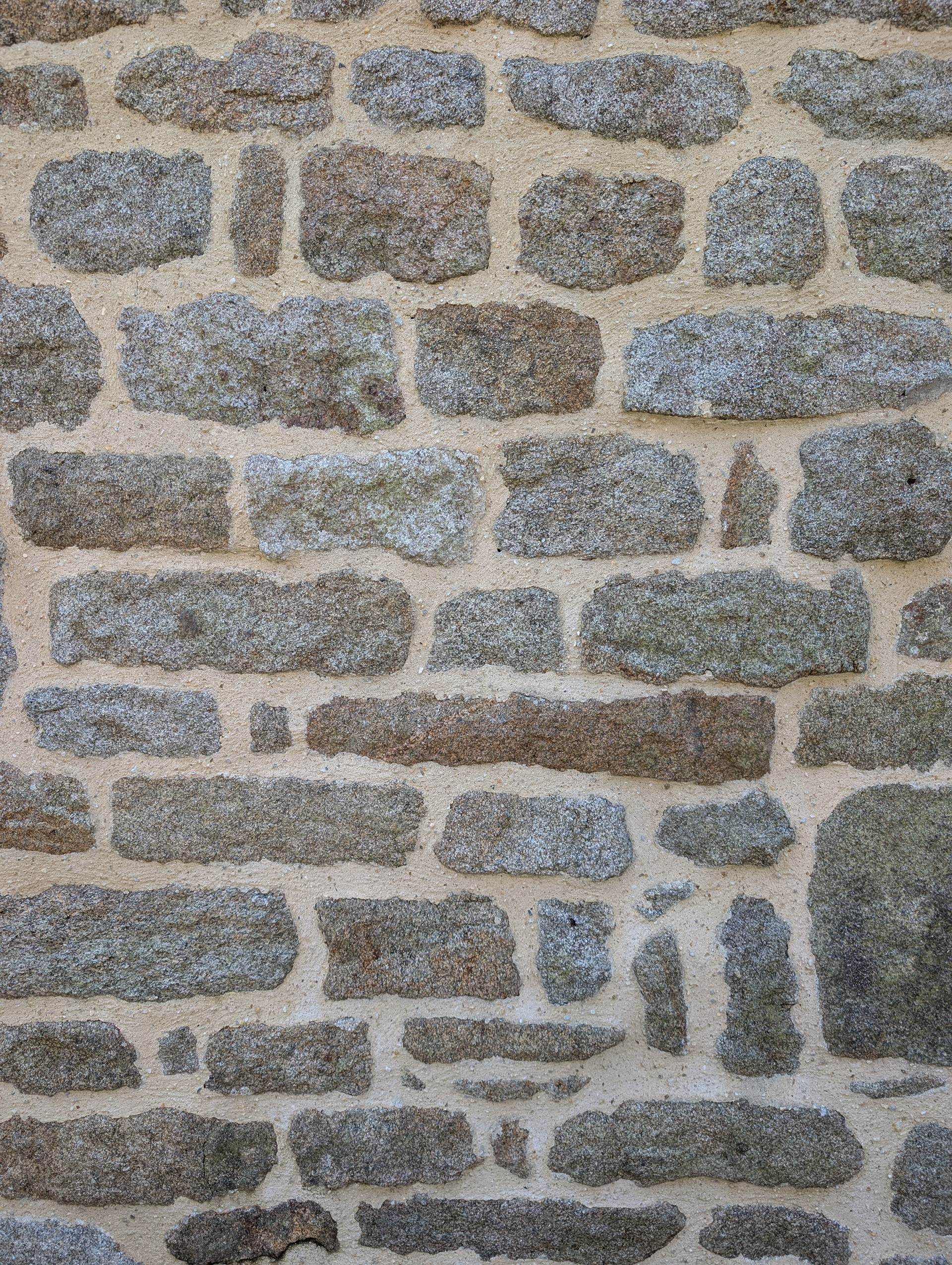
Lime pointing & masonry services
Traditional lime pointing
Repointing older brick and stone walls using appropriate lime mortars, carefully matched to the building.
Repointing older brick and stone walls using appropriate lime mortars, carefully matched to the building.
Removal of cement pointing
Careful removal of hard cement and ribbon pointing with particular attention to protecting fragile stone, brick faces and arrises.
Careful removal of hard cement and ribbon pointing with particular attention to protecting fragile stone, brick faces and arrises.
Brick & stone repairs
Repair and consolidation of damaged masonry where inappropriate materials, weathering or previous repairs have caused deterioration.
Repair and consolidation of damaged masonry where inappropriate materials, weathering or previous repairs have caused deterioration.
Historic masonry restoration
Practical, sympathetic repair of older walls while retaining as much sound original material as possible.
Practical, sympathetic repair of older walls while retaining as much sound original material as possible.
Why does the mortar matter?
Traditional walls were designed differently from modern cavity-wall construction.
Lime mortar is deliberately softer and more permeable than the masonry around it. Moisture can evaporate through the joints and, over many years, the mortar gradually becomes the sacrificial part of the wall.
Replacing it with hard, impermeable cement can reverse that relationship. The mortar survives while the softer brick or stone deteriorates around it.
Putting the right mortar back isn't simply about appearance. It helps the wall function as it was originally intended to.
Recent project:
Victorian sandstone restoration
Victorian sandstone restoration
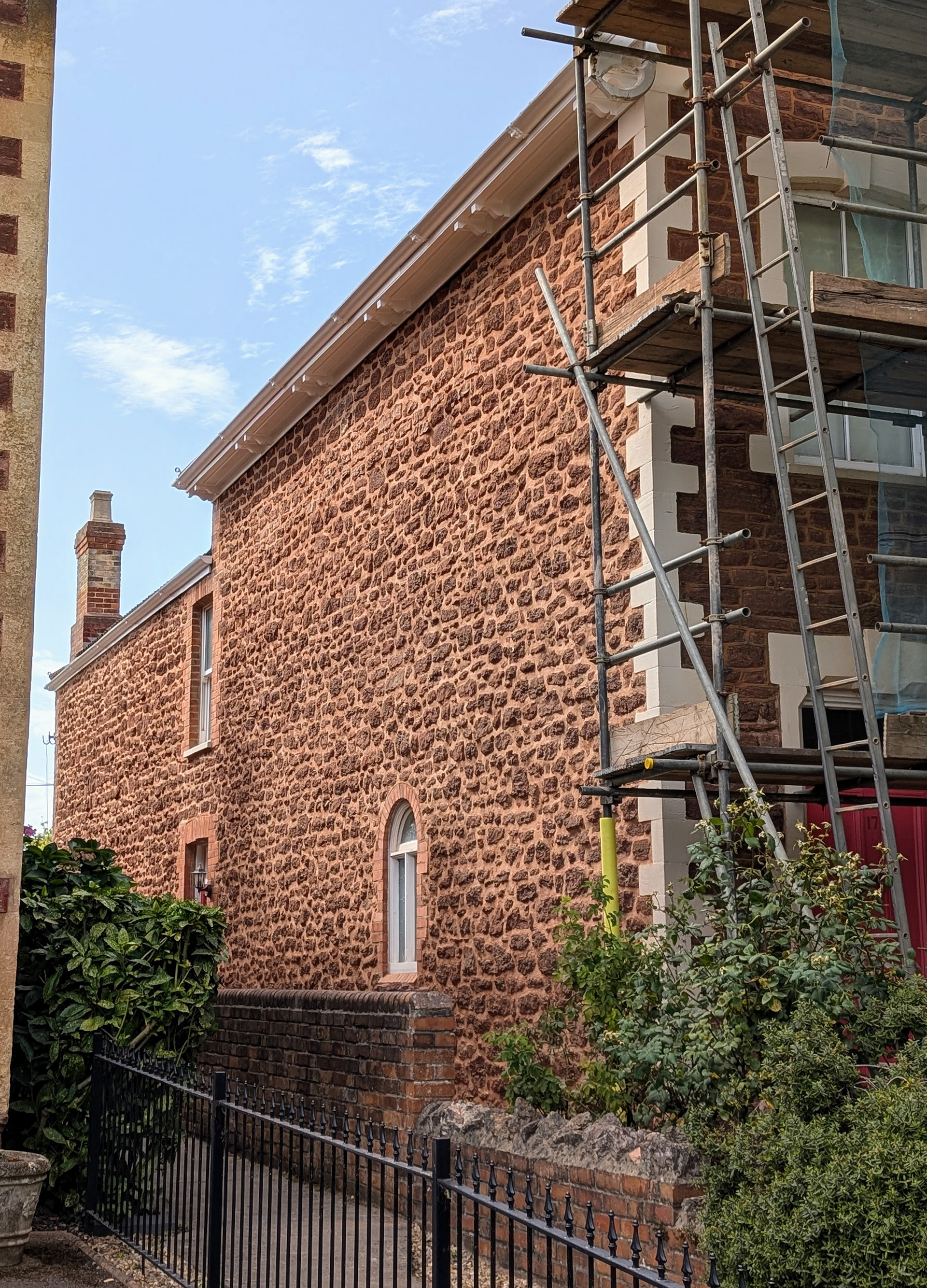
This Victorian property in a conservation area of Bridgwater had been heavily ribbon-pointed with cement over its soft local red sandstone.
Around 800kg of cement pointing was carefully removed from the side elevation before the joints were cleaned, prepared and repointed with approximately one tonne of traditional lime putty mortar.
The finished wall looks dramatically different, but the more important change is how it now behaves. The softer, breathable lime mortar once again becomes the sacrificial element, helping moisture escape through the joints and protecting the fragile sandstone from accelerated deterioration.
Does your property have cement pointing?
It isn't always obvious whether previous repairs are causing damage. Common signs include hard raised or ribbon pointing, crumbling stone or brick around otherwise sound mortar joints, trapped damp and masonry faces beginning to break away.
If you're concerned about the pointing or masonry on an older property, I'm happy to take a look and explain what I think is happening before discussing any work.
Housewright & Co.
Brick & stone repairs | Lime pointing | Cement pointing removal | Masonry restoration
Based in Wembdon, Bridgwater, working on older and character properties across the surrounding area.
Dave Harrison 07792 592678